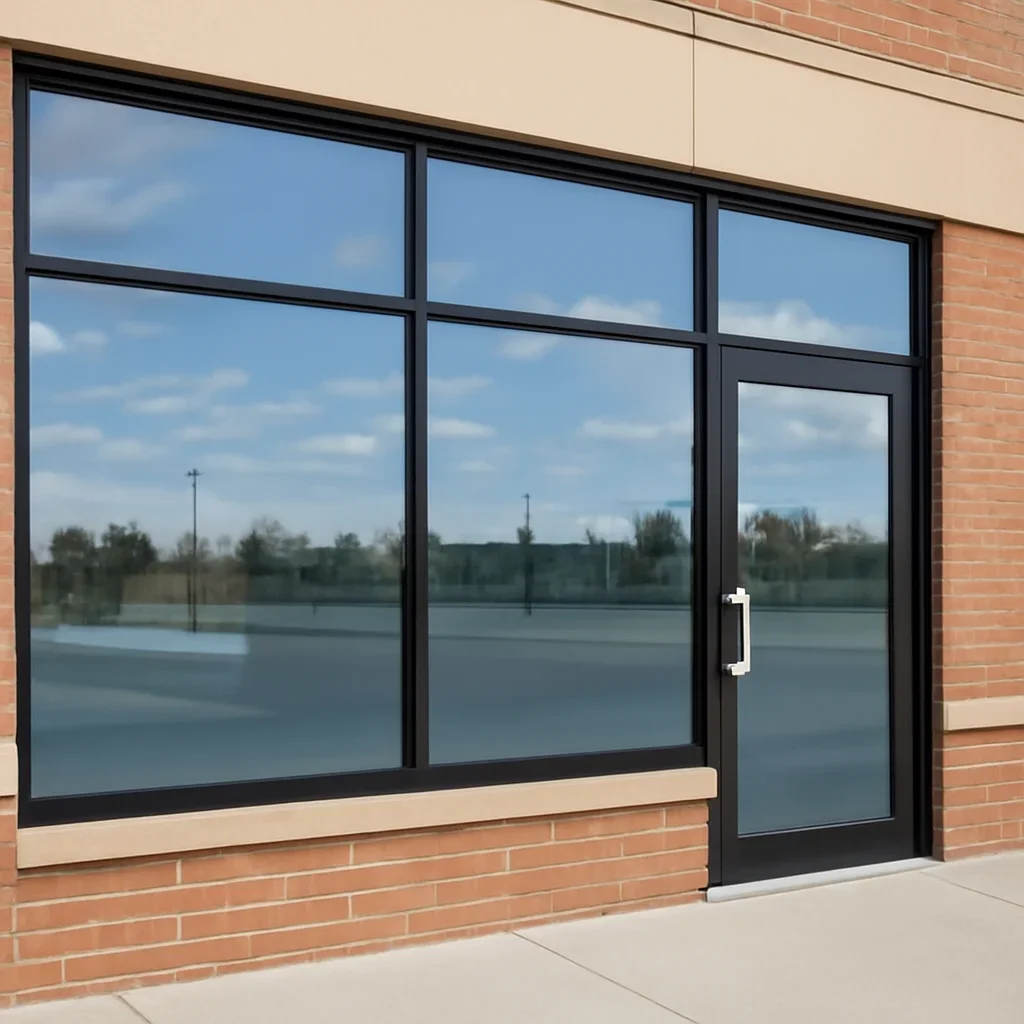
A retail frontage had highly visible handprints, weather film, and display glass that no longer felt sharp from the sidewalk.
This case study shows how scope, access, timing, and visible outcomes can be explained clearly without leaning on vague claims or unsupported metrics.
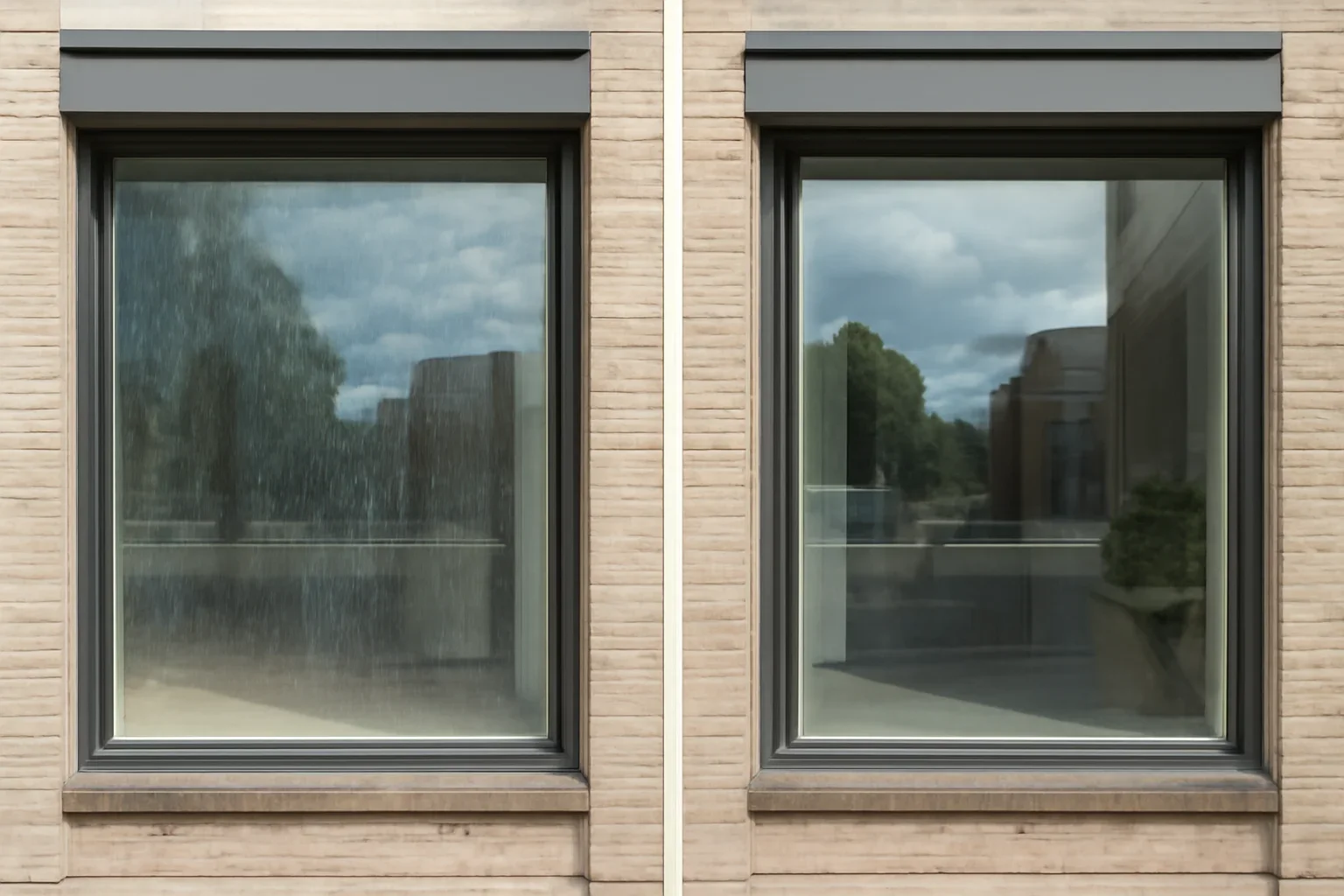
The property had enough visible buildup that the glass was affecting presentation, daylight, or the overall impression of the space.
The service was planned around the property layout, building use, and the parts of the glass people noticed most first.
The finished result was clearer sightlines, a sharper appearance, and a better foundation for recurring maintenance or future service planning.
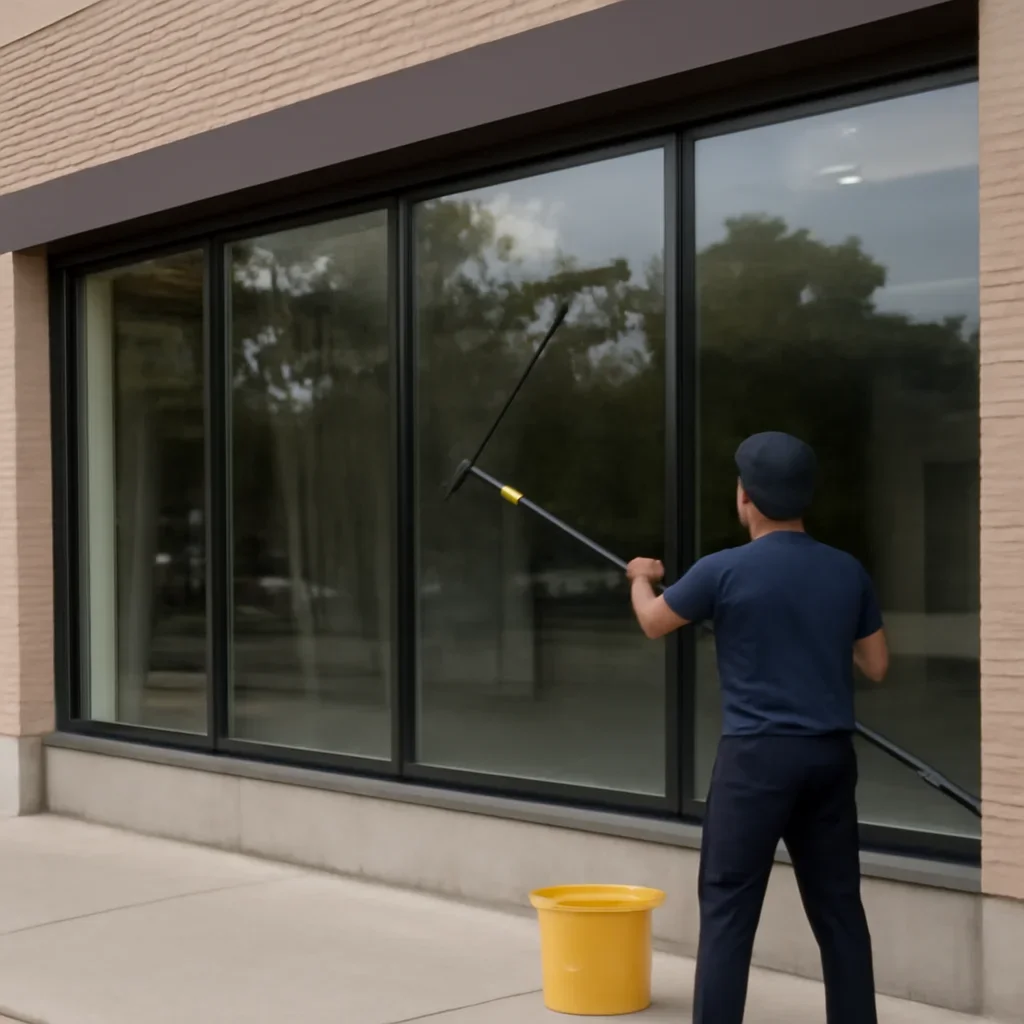
Case studies are useful when they reveal the reasoning behind the work. Access decisions, timing choices, and the order of operations often matter as much as the cleaning itself.
Readers comparing similar services can also review the main case studies hub, commercial window cleaning, or maintenance plans.
Customer review excerpts can be added here when approved quotes are available. This section is ready for short, specific comments that speak to punctuality, communication, and visible results.
Add insurance details, safety documentation, association memberships, or service credentials here when final brand assets are supplied. Until then, the page relies on process clarity and service detail rather than unsupported claims.
No. The value of the example is in the process and the way the job was scoped, not in pretending that every building has the same access, timing, or service history.
Yes. Case studies are reference points, not fixed templates. They help frame the conversation about your own building more clearly.
If your property has comparable visibility issues, access constraints, or scheduling needs, send the details and we will review the next step.
Request project review